
Root Canal Treatment in Colchester, VT
If you are experiencing severe tooth pain, sensitivity, or swelling, a root canal may be the treatment that saves your tooth and relieves your discomfort. At Sunny Hollow Dental in Colchester, VT, we perform root canal therapy with precision and care, ensuring the process is as comfortable as possible. Modern root canals are far less daunting than their reputation suggests — and they are one of the most effective ways to preserve a natural tooth that might otherwise need to be extracted. Call (802) 655-5305 to schedule your appointment today.
What Is a Root Canal?
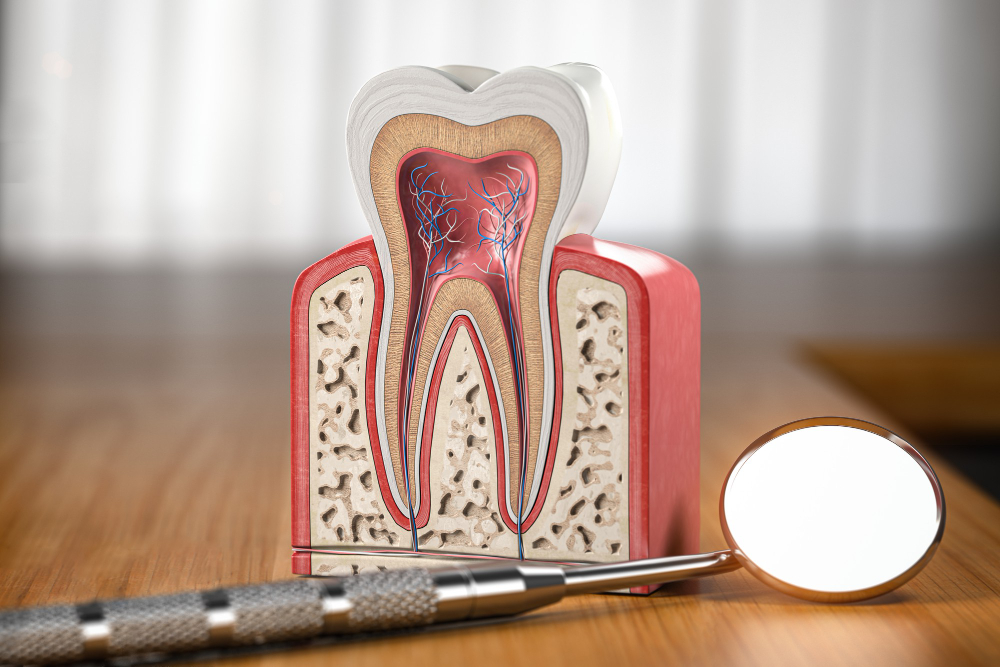
A root canal is an endodontic procedure used to treat a tooth whose inner pulp — the soft tissue containing nerves, blood vessels, and connective tissue — has become infected or inflamed. This typically occurs when decay or bacteria have spread deep into the tooth, past the outer enamel and dentin and into the pulp chamber. Once the pulp is affected, the infection can cause significant pain and, if left untreated, can spread to the surrounding bone and tissue.
During a root canal, our dentist removes the infected pulp, thoroughly cleans and disinfects the root canals, and seals the tooth to prevent re-infection. In most cases, a porcelain crown is placed over the tooth afterward to restore its strength and protect it from future damage. The result is a tooth that is free of infection, free of pain, and capable of functioning normally for many years to come.
Signs You May Need a Root Canal
Root canals are needed when an infection or severe inflammation reaches the inner pulp of the tooth. Common signs that you may need root canal treatment include:
- Severe, persistent toothache that may worsen when you bite or apply pressure
- Prolonged sensitivity to hot or cold temperatures even after the stimulus is removed
- Swelling or tenderness in the gums near the affected tooth
- A pimple-like bump on the gums (dental abscess)
- Darkening or discoloration of the tooth
- Bad breath or a persistent bad taste that does not resolve with brushing
Many of these symptoms can also indicate other dental conditions, which is why a proper examination — including digital X-rays — is essential for accurate diagnosis. If you are experiencing any of these symptoms, contact Sunny Hollow Dental at (802) 655-5305 promptly.
What to Expect During Root Canal Treatment
Many patients are surprised to find that root canal treatment at Sunny Hollow Dental is no more uncomfortable than having a cavity filled. The procedure is performed under local anesthesia, so you should feel minimal discomfort throughout. Our team uses gentle, precise techniques to ensure the experience is as smooth and comfortable as possible.
Most root canals are completed in one or two appointments, depending on the severity of the infection and the complexity of the tooth’s root anatomy. After the procedure, some mild soreness or tenderness is normal for a few days and can be managed with over-the-counter pain relievers. A follow-up appointment to place a permanent crown will complete the restoration and return your tooth to full function.
Root Canals vs. Tooth Extraction
Many patients wonder whether it is better to have a root canal or simply extract the tooth. In most cases, saving the natural tooth is the preferred approach — natural teeth are stronger, more comfortable, and function better than any replacement. Extracting a tooth without replacing it can lead to bone loss, shifting of neighboring teeth, and changes in your bite. If extraction is necessary, options like dental implants, fixed bridges, or partial dentures can be explored. Our team will always recommend the most conservative treatment that is in your best long-term interest.
Root Canal FAQs at Sunny Hollow Dental
Are root canals painful?
Modern root canal treatment is performed under local anesthesia and is no more painful than a standard filling for most patients. The pain many people associate with root canals is actually the pain of the infection before treatment — root canals relieve that pain, not cause it. Our team at Sunny Hollow Dental prioritizes your comfort throughout the procedure.
[/dm-faq]
[dm-faq]
How do I know if I need a root canal?
Common signs include severe toothache, prolonged temperature sensitivity, swollen or tender gums, a dental abscess, or a discolored tooth. However, some infected teeth have no symptoms at all, which is why regular dental exams and X-rays are important for early detection.
[/dm-faq]
[dm-faq]
How long does a root canal take?
Most root canals are completed in one to two appointments, each lasting between 60 and 90 minutes. The exact duration depends on the number of canals in the tooth and the complexity of the infection. Your dentist will give you a clearer estimate once the tooth has been evaluated.
[/dm-faq]
[dm-faq]
What happens after a root canal?
After root canal therapy, a porcelain crown is typically placed over the treated tooth to restore its strength and protect it from fracture. Some mild soreness for a few days is normal. Avoid chewing on the treated tooth until the permanent crown is placed. Call (802) 655-5305 if you experience significant pain or swelling after the procedure.
[/dm-faq]
[dm-faq]
Can a tooth get re-infected after a root canal?
While root canal treatment has a high success rate, re-infection is possible if bacteria reenter the tooth through a cracked crown or new decay. This is why maintaining good oral hygiene, scheduling regular preventive cleanings, and protecting the tooth with a crown are all important steps after treatment.
[/dm-faq]
[dm-faq]
Is it better to have a root canal or pull the tooth?
In most cases, saving the natural tooth with a root canal is preferable to extraction. Natural teeth provide better chewing function and help maintain bone density in the jaw. Extraction without replacement can lead to bone loss and shifting of neighboring teeth. Our team will always recommend the option that is best for your long-term oral health.
[/dm-faq]
[dm-faq]
Is root canal treatment covered by insurance?
Root canal therapy is typically covered at least partially by most dental insurance plans as a restorative procedure. Coverage varies by plan. We will verify your benefits and provide a cost estimate before treatment begins. CareCredit financing is also available for out-of-pocket costs.
[/dm-faq]